
Tips for Creating a Relaxing Garden Space at Home
tokyseu.pro >> beings>> Tips for Creating a Relaxing Garden Space at Home
Tips for Creating a Relaxing Garden Space at Home
Creating a relaxing garden space at home is a wonderful way to bring tranquillity and beauty into your everyday life. Whether you have a large backyard or a small balcony, a peaceful garden corner can serve as a perfect retreat for rest, reflection, and connection with nature. Here, we’ll explore practical tips and ideas to help you design a garden space that promotes relaxation and harmony.
Why a Relaxing Garden Matters
Spending time outdoors in a calm environment can reduce stress, improve mood, and enhance overall wellbeing. A garden designed with relaxation in mind encourages mindfulness and gives you a chance to escape from daily pressures. By thoughtfully arranging plants, seating, lighting, and decorative elements, your garden can become a soothing sanctuary.
Step 1: Choose the Right Location
Start by selecting an area in your garden or home outdoor space that feels private and sheltered from noise or neighbours. Ideal spots often include corners surrounded by fences, walls, or hedging, where you can add a seat or bench to enjoy your surroundings.
– Consider sun and shade throughout the day.
– Think about proximity to the house for easy access.
– Look for areas protected from strong winds.
Step 2: Plan Comfortable Seating
Comfortable seating is key for relaxation. Choose something that invites you to sit back and linger.
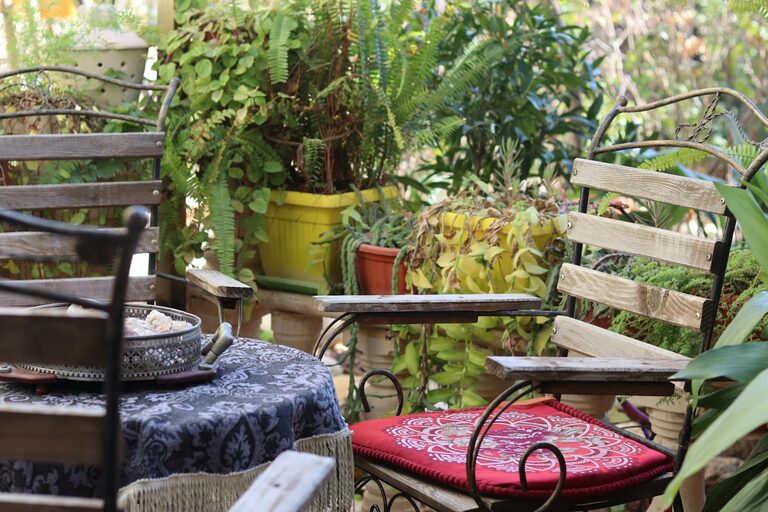
– Options include garden benches, loungers, hammocks, or cushioned chairs.
– Add waterproof cushions or throws for extra comfort.
– Position seating with views of your favourite plants or features.
Step 3: Incorporate Soothing Plants
Plants are the heart of a relaxing garden. Select greenery and flowers that soothe the senses and thrive in your climate.
Choose plants known for calming effects:
– Lavender: Its scent is known to reduce anxiety.
– Jasmine: Sweet fragrance that lifts the mood.
– Ferns and grasses: Gentle movement in the breeze adds soft sound and texture.
– Herbs like mint and rosemary offer pleasant aromas and can be used in cooking.
Tips for planting:
– Use a mix of evergreen and seasonal blooms for year-round interest.
– Group plants by height and colour for visual harmony.
– Consider planting in containers if space is limited.
Step 4: Add Water Features
The sound of flowing water is naturally relaxing.
– Small fountains, birdbaths, or ponds create gentle background noise.
– Position near seating areas for maximum effect.
– Ensure features are easy to maintain to keep water fresh and clean.
Step 5: Use Soft Lighting
Soft, warm lighting extends the usability of your garden into the evening and adds a cosy atmosphere.
– Solar-powered fairy lights, lanterns, or LED candles are charming and eco-friendly.
– Place lights along paths or around seating areas.
– Avoid harsh or overly bright lights which can disturb the peaceful vibe.
Step 6: Incorporate Natural Materials and Decorations
Natural materials blend well with garden settings and further enhance relaxation.
– Use wooden furniture, stone pots, or bamboo fencing.
– Decorate with items like wind chimes, stepping stones, or gentle sculptures.
– Keep decorations minimal to maintain a clutter-free feel.
Step 7: Consider Privacy and Shelter
Creating a sense of enclosure helps you feel secure and focused on relaxation.
– Plant tall shrubs or install trellises with climbing plants.
– Use garden umbrellas, pergolas, or gazebos to provide shade and shelter.
– Privacy screens can block unwanted views and noise.
Step 8: Include Elements for Personal Enjoyment
Tailor your garden space to your personal tastes and hobbies.
– Add a small table for tea or reading.
– Create a space for meditation or yoga with mats or cushions.
– Place bird feeders or butterfly houses to attract wildlife.
Maintenance Tips for a Relaxing Garden
Keeping your garden tidy and healthy is essential to maintain its calming effect.
– Regularly prune and weed to prevent overgrowth.
– Water plants appropriately according to their needs.
– Clean seating and water features to avoid dirt and algae buildup.
Final Thoughts
Designing a relaxing garden space at home doesn’t require a lot of space or expensive materials. Focus on creating a harmonious environment with comfortable seating, soothing plants, and gentle features that appeal to your senses. With a little care and creativity, your garden can become a personal haven where you can unwind and recharge every day.
Start planning your garden sanctuary today and enjoy the many benefits of a relaxing outdoor space.
Related Post
Tips for Creating a Productive Home Office Environment
Creating a productive home office environment is essential for anyone working remotely or running a…