Tips for Creating a Productive Home Office Environment
tokyseu.pro >> beings>> Tips for Creating a Productive Home Office Environment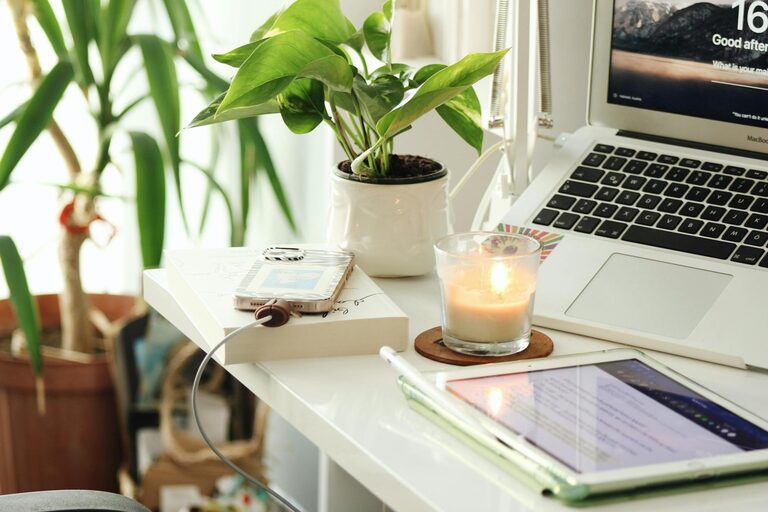
Tips for Creating a Productive Home Office Environment
Creating a productive home office environment is essential for anyone working remotely or running a business from home. A well-organised and comfortable workspace can boost focus, reduce stress, and help you maintain a healthy work-life balance. In this post, we’ll explore practical tips to help you design a home office where you can thrive.
Choose the Right Location
Selecting the right spot in your home for a workspace is the first step to creating a productive home office.
– Quiet Area: Look for a place with minimal distractions and noise. If possible, avoid high-traffic zones like the kitchen or living room.
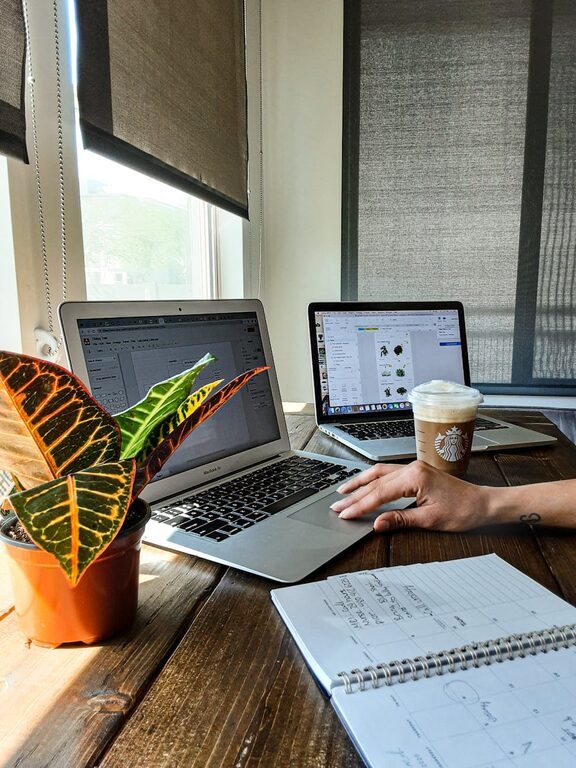
– Natural Light: Position your desk near a window to benefit from natural daylight. It helps improve mood and reduces eye strain.
– Space Considerations: Ensure the space allows enough room for your desk, chair, and equipment while leaving room to move comfortably.
Invest in Comfortable and Functional Furniture
Furniture plays a crucial role in your productivity and physical well-being.
– Ergonomic Chair: A supportive chair designed for long periods of sitting helps maintain good posture and prevents back pain.
– Desk Size: Choose a desk that fits your equipment and offers space to organise documents and supplies.
– Adjustable Elements: Consider desks that allow height adjustment, which can help you alternate between sitting and standing.
Organise Your Workspace Efficiently
A tidy and organised workspace encourages better focus and reduces wasted time looking for things.
– Storage Solutions: Use shelves, drawers, and organisers to keep your desk clutter-free.
– Cable Management: Use clips, ties, or cable boxes to organise wires and prevent tangled cords.
– Minimalism: Keep only essential items on your desk to maintain a clear space and reduce distractions.
Optimise Lighting for Productivity
Good lighting can make a big difference in how comfortable and focused you feel.
– Natural Light First: As mentioned, natural light is best. Draw curtains or blinds to control glare.
– Task Lighting: Use a desk lamp with adjustable brightness to illuminate your work area during dark or overcast days.
– Avoid Harsh Lighting: Steer clear of overly bright or flickering lights that can cause eye strain and headaches.
Minimise Distractions
Staying focused at home can be difficult, but creating boundaries helps.
– Set Work Hours: Establish a routine so family members know when you’re working and when you’re available.
– Use Noise-Cancelling Headphones: These can help block out background sounds.
– Turn Off Notifications: Mute non-essential alerts during work periods to stay focused.
Personalise Your Workspace with Care
Adding personal touches can make your workspace inviting without reducing productivity.
– Plants: A small plant can improve air quality and enhance your mood.
– Inspirational Items: Keep a few motivating quotes or photos to boost morale.
– Balanced Decor: Avoid overcrowding your space with too many decorations that can distract you.
Maintain Good Air Quality and Temperature
A comfortable environment supports sustained concentration.
– Ventilation: Keep windows open when possible or use an air purifier to maintain fresh air.
– Temperature Control: Adjust heating or cooling to keep the room at a comfortable temperature, typically between 20-22°C.
– Breaks for Fresh Air: Step outside for a few minutes regularly to refresh your mind.
Utilise Technology Wisely
Technology is key to remote work, but it should support productivity, not hinder it.
– Reliable Internet: Ensure you have a stable and fast connection.
– Necessary Equipment: Use a quality headset, webcam, and keyboard to improve communication and usability.
– Backup Solutions: Regularly save your work and use cloud storage to avoid data loss.
Create Clear Boundaries Between Work and Home Life
This helps maintain mental well-being and prevents burnout.
– Separate Workspace: If possible, use a different room as your office to “leave” work physically.
– End-of-Day Ritual: Develop a routine to signal the end of your working day, such as closing your laptop or tidying your desk.
– Avoid Multitasking: Resist the urge to mix work with household chores during work hours.
Prioritise Regular Breaks and Movement
Taking breaks is crucial to maintain energy levels and focus.
– Pomodoro Technique: Work for 25 minutes, then take a 5-minute break, repeating the cycle.
– Stretching: Stand up and stretch or walk around regularly to reduce stiffness.
– Eye Care: Follow the 20-20-20 rule: every 20 minutes, look at something 20 feet away for 20 seconds to reduce eye strain.
Conclusion
Designing a productive home office is about creating a space that supports your work tasks while promoting comfort and well-being. By choosing the right location, investing in ergonomic furniture, organising your workspace, and setting boundaries, you can significantly enhance your focus and efficiency. Remember to personalise your space thoughtfully, keep the environment fresh and well-lit, and take regular breaks to maintain productivity throughout the workday. With these tips, your home office can become a place where you enjoy working and achieve your goals.
Related Post
Tips for Creating a Cosy and Inviting Home Office Space
Creating a home office that feels cosy and inviting is essential for staying productive and…