
Tips for Creating a Productive Home Office Environment
tokyseu.pro >> beings>> Tips for Creating a Productive Home Office Environment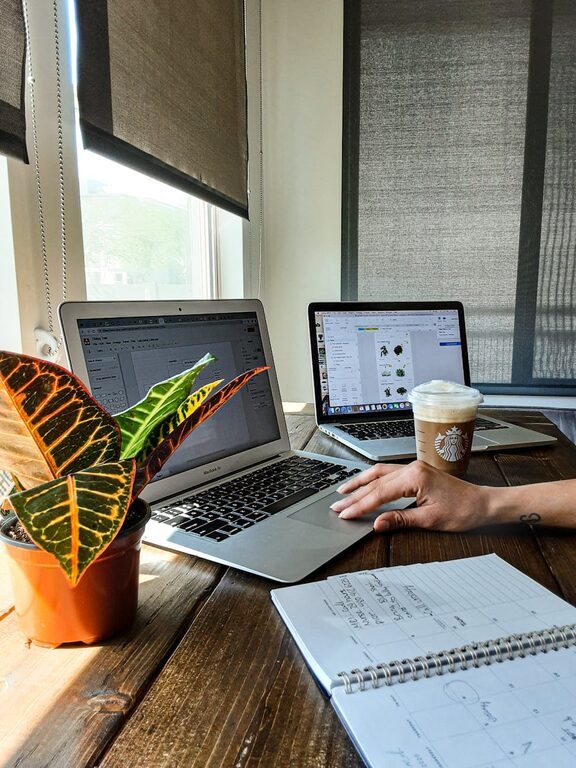
Tips for Creating a Productive Home Office Environment
Creating a productive home office environment is essential for anyone working remotely or managing tasks from home. A well-organised, comfortable, and inspiring workspace can help improve concentration, reduce stress, and support a healthy work-life balance. Whether you have a small corner in your living room or a dedicated room, these tips will guide you towards crafting an efficient and pleasant home office.
Choose the Right Location
Selecting the best spot for your home office is the first step. Ideally, pick a quiet area that is separate from high-traffic zones to minimise distractions. If space is limited, consider:
– Using a fold-away desk or multipurpose furniture
– Positioning your workspace near a window for natural light
– Creating boundaries with room dividers or shelving units
The goal is to have a dedicated area where work is the focus.
Prioritise Ergonomics
Comfort is key to sustained productivity. Investing in ergonomic furniture can prevent physical strain and fatigue. Some basics to consider:
– Desk and Chair Height: Your desk should allow your arms to rest comfortably at a 90-degree angle while typing. An adjustable chair with good lumbar support can reduce back pain.
– Screen Position: Place your monitor at eye level, about an arm’s length away to avoid neck strain.
– Foot Support: If your feet don’t rest flat on the floor, use a footrest to promote good posture.
– Keyboard and Mouse: Keep these at a comfortable height to avoid wrist strain.
Even small improvements in ergonomics can make a big difference in how you feel by the end of the day.
Organise Your Space Efficiently
A clutter-free workspace helps maintain focus and reduces stress. Here are some organisation ideas:
– Declutter Regularly: Remove unnecessary papers and items daily or weekly.
– Use Storage Solutions: Shelving, drawer organisers, and filing cabinets keep essentials within reach but out of sight.
– Desk Organisers: Pen holders, trays, and cable management kits ensure your desk stays tidy.
– Digital Organisation: Keep your computer files organised with folders and backup important documents to cloud storage.
An organised space encourages productivity and helps you stay on top of tasks.
Optimise Lighting
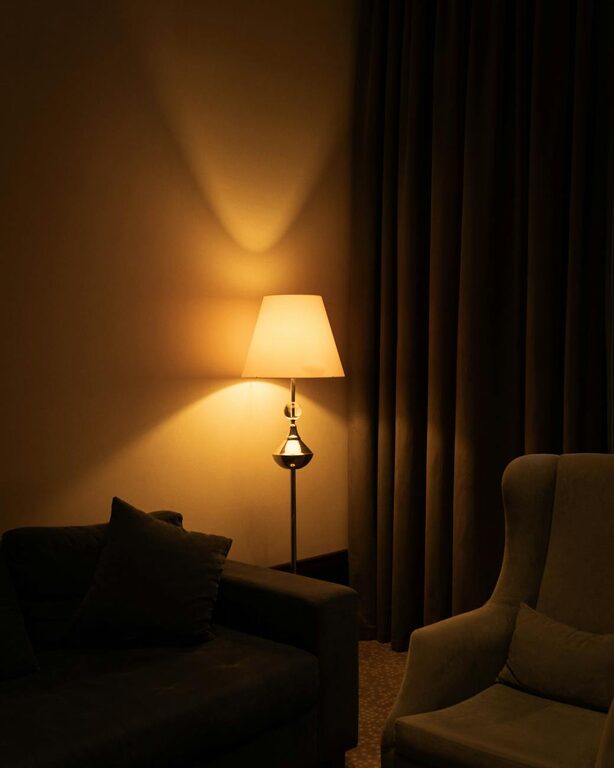
Good lighting is vital for health and efficiency. Ideally, position your desk near a window to benefit from natural daylight, which boosts mood and reduces eye strain. If natural light isn’t an option:
– Use a combination of ambient and task lighting.
– Choose daylight bulbs to simulate natural light.
– Avoid glare on your screen by positioning lights strategically.
– Consider adjustable desk lamps for focused illumination when needed.
Proper lighting helps reduce fatigue and maintain alertness throughout your working hours.
Minimise Distractions
Distractions can quickly derail your productivity. To create a distraction-free environment:
– Set clear work hours and communicate them with household members.
– Use noise-cancelling headphones or white noise machines if necessary.
– Keep your phone on silent or in another room if possible.
– Disable non-essential notifications on your computer and devices during work time.
– Consider apps that block distracting websites while you work.
Creating boundaries around your workspace supports concentration and work-life separation.
Personalise Your Workspace
A workspace that feels welcoming and inspiring can boost motivation. Personal touches might include:
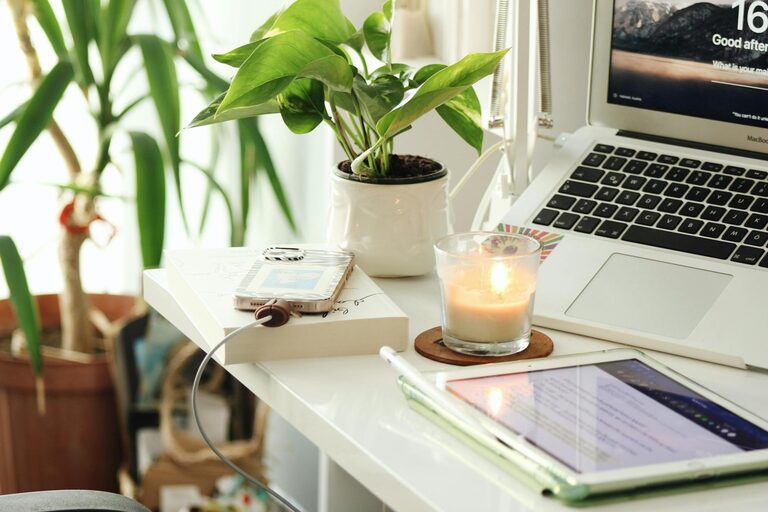
– Adding plants to improve air quality and create a calming atmosphere.
– Displaying artwork, photos, or quotes that motivate you.
– Choosing a colour scheme that you find energising or calming.
– Incorporating items that improve comfort, such as a cushion or ergonomic wrist support.
Personalising your home office can make working from home more enjoyable and productive.
Establish a Routine
Having a daily schedule helps maintain discipline when working from home. Consider:
– Starting and finishing work at consistent times.
– Scheduling regular breaks to move, stretch, and rest your eyes.
– Using task lists or digital planners to organise your day.
– Creating rituals like a morning coffee or a short walk before starting work to mentally prepare.
A routine reinforces productivity and helps separate work time from personal time.
Keep Technology Reliable and Efficient
Technology plays a crucial role in a productive home office. To ensure smooth operations:
– Invest in a reliable high-speed internet connection.
– Use a quality headset or microphone if you frequently join online meetings.
– Keep your software and hardware updated to avoid technical issues.
– Backup your work regularly to prevent data loss.
Having dependable technology reduces frustration and supports your workflow.
Consider Air Quality and Temperature
Comfort extends beyond furniture and lighting. Air quality and temperature affect your ability to focus:
– Ensure good ventilation by opening windows when possible.
– Use air purifiers if you live in an area with pollution or allergens.
– Maintain a comfortable room temperature, usually between 18–22°C.
– Use fans or heaters as needed to regulate temperature.
A comfortable climate supports alertness and well-being.
Final Thoughts
Creating a productive home office environment involves a blend of thoughtful design, organisation, and healthy habits. By choosing the right location, investing in ergonomic furniture, organising efficiently, optimising lighting, and minimising distractions, you set yourself up for success. Personalising your space, establishing routines, and ensuring reliable technology further enhance your productivity. With these tips, working from home can become a more balanced, comfortable, and efficient experience.
Related Post
Tips for Creating a Productive Home Office Environment
Creating a productive home office environment is essential for anyone working remotely or running a…