
Tips for Creating a Sustainable and Eco-Friendly Home Garden
tokyseu.pro >> Sustainability>> Tips for Creating a Sustainable and Eco-Friendly Home Garden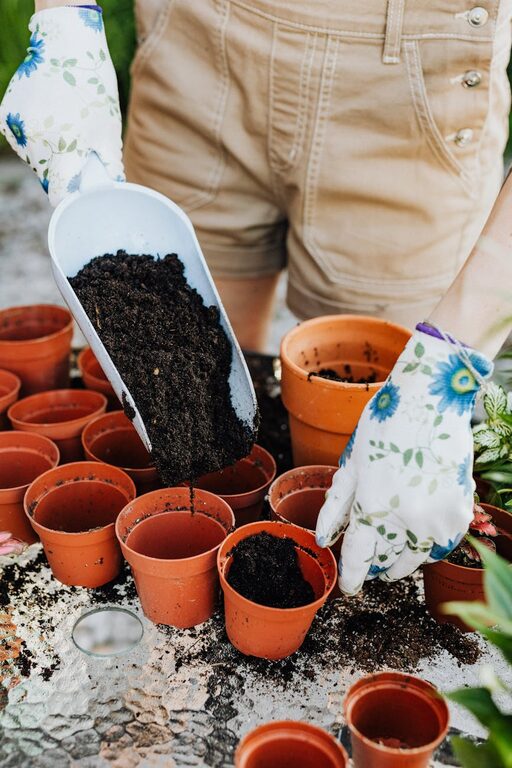
Tips for Creating a Sustainable and Eco-Friendly Home Garden
Creating a sustainable and eco-friendly home garden is a rewarding way to enjoy nature, grow your own food, and contribute positively to the environment. With growing awareness about climate change and biodiversity loss, many gardeners are choosing practices that reduce waste, conserve resources, and support local ecosystems. This guide offers practical tips to help you build a garden that is not only beautiful but also kind to the planet.
Choose Native and Adapted Plants
Selecting plants that are native or well-adapted to your region is one of the best ways to create an eco-friendly garden. Native plants require less water, fertiliser, and maintenance because they thrive in local soil and climate conditions.
Benefits of Native Plants
– Support local wildlife such as bees, butterflies, and birds
– Resist pests and diseases naturally, reducing the need for chemicals
– Require less watering, conserving water resources
Research plants indigenous to your area through local gardening clubs, botanical gardens, or online databases. Combining trees, shrubs, perennials, and groundcovers will create a balanced garden ecosystem.
Use Organic and Sustainable Soil Practices
Healthy soil forms the foundation of a thriving garden. Avoid synthetic fertilisers and pesticides that can harm beneficial insects and soil life.
Tips for Healthy, Sustainable Soil
– Add organic matter such as compost or well-rotted manure to improve soil structure and nutrient content
– Mulch around plants with bark chips or leaf litter to retain moisture and suppress weeds
– Rotate crops yearly in vegetable patches to prevent nutrient depletion and reduce disease risk
– Avoid digging or digging minimally to maintain soil structure and reduce disturbance to microorganisms
Composting kitchen scraps and garden waste is an excellent way to recycle nutrients and reduce landfill waste.
Conserve Water Efficiently
Water conservation is vital for sustainable gardening, particularly in areas prone to drought.
Water-Saving Techniques
– Install a rainwater harvesting system to collect and store rainwater for irrigation
– Water plants early in the morning or late in the evening to reduce evaporation
– Use drip irrigation or soaker hoses to deliver water directly to roots
– Group plants with similar water needs together to avoid overwatering
Choose drought-tolerant plants to reduce the amount of watering needed during dry spells.
Avoid Chemical Pesticides and Fertilisers
Many conventional pesticides and fertilisers can harm beneficial insects, pollinators, and soil health.
Natural Alternatives
– Encourage beneficial insects such as ladybirds and lacewings that prey on pests
– Plant companion plants like marigolds and nasturtiums which repel certain insect pests
– Use homemade or commercially available organic pest sprays, such as neem oil
– Fertilise with compost tea or natural fertilisers like seaweed extract or bone meal
Regular monitoring and early intervention will help keep pest problems manageable.
Create Habitats for Wildlife
An eco-friendly garden supports biodiversity by providing food, shelter, and nesting sites for wildlife.
Ways to Encourage Wildlife
– Include native flowering plants that offer nectar and pollen
– Add a range of plant heights and types for shelter and breeding
– Provide a water source such as a birdbath or small pond
– Leave some leaf litter and dead wood for insects and fungi
– Install bird boxes or insect hotels
These features will attract beneficial animals and enrich your garden’s ecosystem.
Reduce Waste and Reuse Materials
Minimising waste is key to sustainable gardening.
Practical Ideas
– Repurpose old containers and pallets as planters or garden furniture
– Use natural fibre twine instead of plastic ties
– Collect and reuse rainwater for tricky spots
– Recycle plant pots or choose pots made from biodegradable materials
Practising mindful consumption and upcycling reduces your garden’s environmental footprint.
Plan for Energy Efficiency
Consider the energy impact of your garden activities and equipment.
Energy-Saving Suggestions
– Opt for manual tools instead of petrol-powered ones
– Use solar-powered garden lights or water features
– Plant trees or shrubs strategically to provide natural shading and wind protection for your home
Reducing energy use in the garden complements the sustainable lifestyle you promote there.
—
By adopting these simple yet effective strategies, you can create a sustainable and eco-friendly garden that flourishes naturally while helping to protect the environment. Not only will your garden be a haven for wildlife, but it will also provide a peaceful and productive outdoor space for you and your family to enjoy for years to come.