
Creating a Relaxing Home with Natural Elements: Practical Tips
tokyseu.pro >> Natural Elements>>Relaxation>> Creating a Relaxing Home with Natural Elements: Practical Tips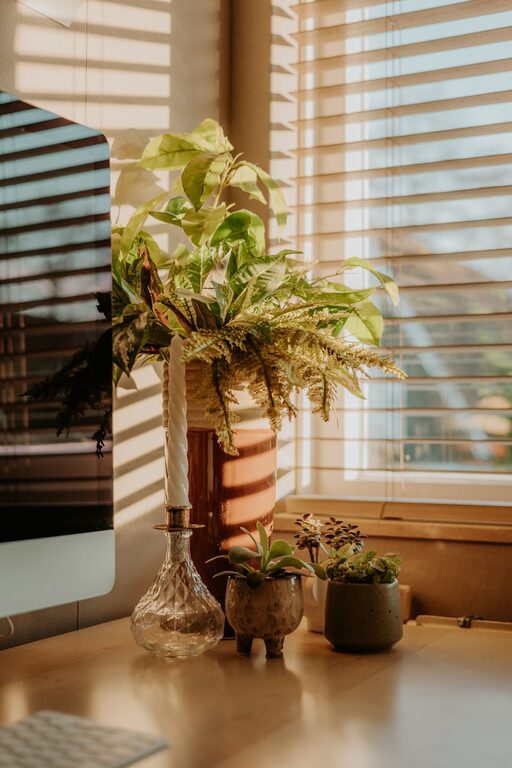
Creating a Relaxing Home with Natural Elements: Practical Tips
Bringing natural elements into your home can transform your living space into a peaceful retreat. By incorporating materials, colours, and living plants inspired by nature, you can foster a calming atmosphere that helps reduce stress and promotes well-being. This guide will explore practical tips to create a relaxing home environment using natural elements.
Why Choose Natural Elements for Your Home?
Natural elements have a unique ability to connect us with the outdoors, even when inside. They promote tranquillity and comfort by mimicking the soothing qualities of the natural world. Elements such as wood, stone, plants, and natural fibres can improve air quality, introduce calming textures, and encourage a mindful way of living.
—
1. Use Wood for Warmth and Texture
Wood is a versatile material that adds warmth and depth to interior spaces. Consider the following approaches:
– Flooring and Furniture: Choose wooden floors or furniture with natural finishes that show the grain. Oak, pine, and walnut are popular options.
– Accents and Details: Incorporate wooden picture frames, shelving, or decorative bowls to subtly bring in the element.
– Avoid Heavy Treatments: Opt for lightly stained or untreated wood to keep the natural feel and avoid harsh chemicals.
Wood complements many styles, from modern to rustic, making it an easy way to add natural charm.
—
2. Incorporate Stone and Natural Textures
Stone adds solidity and an organic feel to interiors. Here’s how to include it:
– Feature Walls: A stone feature wall or fireplace creates a stunning natural focal point.
– Countertops and Tiles: Use stone surfaces like granite or marble in kitchens and bathrooms for durability and elegance.
– Decor Pieces: Small stone vases, candle holders, or coasters add subtle natural accents.
Pair stone with soft textiles to balance the coolness of the material.
—
3. Bring in Greenery with Indoor Plants
Plants are perhaps the most straightforward way to infuse natural life into your home:
– Choose Low-Maintenance Plants: Options like snake plants, pothos, or spider plants are easy to care for and improve air quality.
– Create Plant Corners: Dedicate a shelf or corner to a selection of pots with different plant heights and leaf shapes.
– Use Natural Containers: Select pots made from terracotta, ceramic, or woven baskets to maintain the organic theme.
– Place Near Natural Light: Position plants where they can receive adequate sunlight to thrive.
Indoor plants not only look beautiful but help reduce stress and boost mood.
—
4. Use Natural Fabrics for Soft Furnishings
Soft textiles contribute to comfort and bring tactile warmth:
– Curtains and Upholstery: Choose fabrics such as linen, cotton, wool, or jute in neutral colours.
– Throws and Cushions: Add layers of texture with knitted throws or cushions made from natural fibres.
– Rugs: Natural fibre rugs like sisal, jute, or wool bring softness underfoot and enhance the natural look.
Natural fabrics are breathable and sustainable, providing both style and comfort.
—
5. Embrace Natural Colour Palettes
Colour impacts mood significantly. For a relaxed atmosphere, consider these palettes:
– Earth Tones: Use shades of beige, taupe, soft browns, and muted greens to create a warm, grounded feel.
– Soft Blues and Greens: These are reminiscent of sky and water and promote calmness.
– Whites and Creams: Neutral base colours create bright, airy spaces that feel fresh and uncluttered.
Combining these colours can evoke a gentle connection to nature without overwhelming the senses.
—
6. Maximise Natural Light
Natural light positively affects wellbeing and makes interiors feel more spacious:
– Use Light Curtains: Sheer or light-coloured curtains allow sunlight to filter through softly.
– Mirrors: Strategically placed mirrors reflect light and increase brightness.
– Keep Windows Clear: Avoid heavy drapes or clutter near windows to maximise light entry.
Try to organise living spaces to take full advantage of daylight for a naturally uplifting environment.
—
7. Add Water Elements
Water has a calming sound and visual appeal:
– Indoor Fountains: Small tabletop fountains create soothing sounds and improve humidity.
– Aquariums: Consider aquariums with gentle movement to add life and tranquillity.
– Water Bowls: Shallow bowls with floating candles or flowers can create a peaceful vibe on coffee tables.
Including water elements can enhance the sensory experience of your relaxing home.
—
8. Declutter and Use Natural Storage Solutions
A clutter-free space promotes relaxation:
– Use Baskets and Boxes: Woven baskets and wooden boxes provide attractive and natural storage options.
– Minimalism: Focus on keeping only essential items and natural décor to maintain tranquility.
– Organised Zones: Keep each room tidy by assigning specific storage areas to reduce visual noise.
An organised, clean home feels more restful and inviting.
—
Final Thoughts
Creating a relaxing home environment using natural elements is about making your interior a reflection of calm and simplicity. Embracing wood, stone, plants, natural fabrics, and harmonious colours, along with an abundance of natural light, encourages wellbeing. Small steps like adding a houseplant or switching to linen cushions can start your journey to a peaceful home. Enjoy the process of blending the indoors with nature to create your personal sanctuary.